
Digital marketing is not just about posting on social media or creating a website. Professional digital marketers use different tools to find potential customers, understand what people are searching for, create content, run advertising campaigns, communicate with customers, and measure results.
If you are working with small businesses, entrepreneurs, online stores, or local companies, having the right digital marketing tools can help you attract more customers, generate leads, increase website traffic, and grow sales.
Here are 10 powerful digital marketing tools you can use when working with clients.
1. Google Analytics — Understand Your Customers and Website Traffic
Google Analytics is one of the most important tools for understanding what is happening on a client’s website.
It can help you see how many people are visiting the website, where visitors are coming from, which pages they are viewing, how long they stay, and what actions they take.
For example, imagine you are working with a local business that sells beauty products. You can use analytics to discover whether customers are finding the business through Google, Facebook, Instagram, advertisements, or other websites.
2. Google Search Console — Get Found on Google
Google Search Console helps you understand how a website performs in Google Search.
This is especially useful when your client wants more organic traffic, better Google rankings, and more potential customers from search engines.
You can see which search terms are bringing people to the website, how many times pages appear in Google, how many people click on them, and whether Google has discovered and indexed the website properly.
How we can use this
You can use Search Console to:
- Find valuable search keywords
- Monitor Google search performance
- Identify pages that need improvement
- Check website indexing
- Find technical SEO issues
- Monitor clicks and impressions
- Discover opportunities for new content
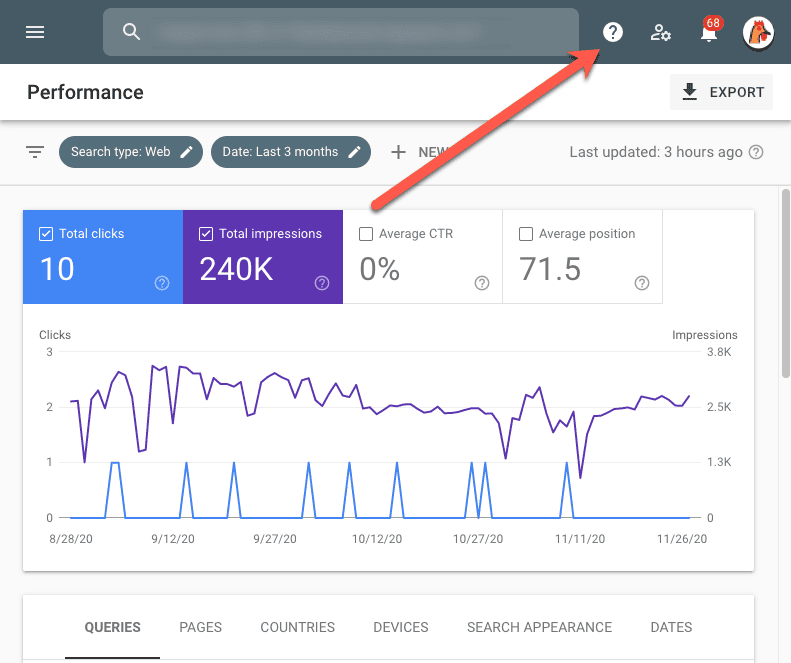
For example, if a plumbing company receives impressions for searches such as “plumber in Cape Town” but receives very few clicks, you can work on improving its page title, description and content.
Client benefit: You can help businesses increase their visibility in Google without relying entirely on paid advertising.
3. SEMrush — SEO and Competitor Research
SEMrush is a powerful marketing platform used for SEO, keyword research, competitor analysis, content research and other digital marketing activities.
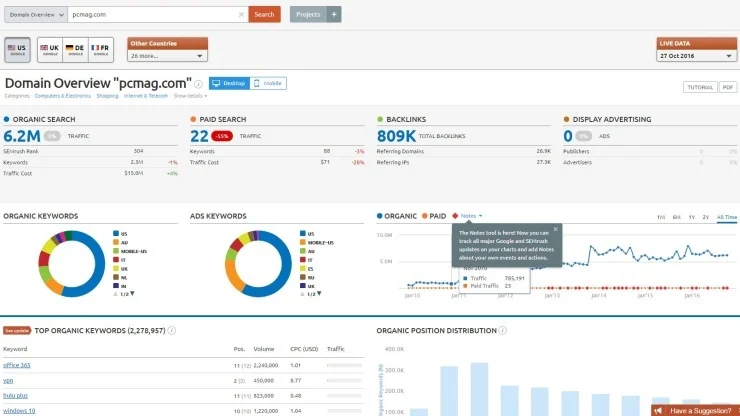
One of its biggest advantages is that it allows you to research what people are searching for and investigate how competitors are performing online.
How you can use it for clients
You can use Semrush to:
- Research SEO keywords
- Analyze competitors
- Find content opportunities
- Monitor keyword rankings
- Research backlinks
- Perform SEO audits
- Discover potential search traffic opportunities
For example, if your client owns a digital marketing agency, you could research keywords related to “digital marketing agency Cape Town,” “social media marketing services,” or “SEO services for small businesses.”
You can then create content around relevant search opportunities.
Client benefit: Your marketing strategy becomes more competitive because you can understand what customers search for and what competitors are doing online.
4. Canva — Create Professional Marketing Content
Canva is extremely useful for creating visual marketing materials without needing advanced graphic design skills.
You can create social media posts, advertisements, flyers, presentations, banners, thumbnails, business graphics and other marketing materials.
For a digital marketer, this can save a lot of time.
How you can use it for clients
You can create:
- Facebook posts
- Instagram posts
- Instagram Stories
- TikTok graphics
- YouTube thumbnails
- Facebook advertisements
- Promotional flyers
- Business presentations
- Website graphics
- Infographics
For example, a restaurant client could give you photographs of its meals. You can turn those photographs into attractive promotional posts and advertisements.
Client benefit: Professional-looking visual content can help businesses communicate their offers more clearly and maintain a consistent brand image.
5. Meta Business Suite — Manage Facebook and Instagram Marketing
Meta Business Suite is useful when working with businesses that use Facebook and Instagram.
Instead of managing everything separately, you can use Meta’s business tools to help manage content, messages and other business activities across Meta’s platforms.
How you can use it for clients
You can use it to help:
- Schedule Facebook posts
- Schedule Instagram content
- Manage messages
- Monitor engagement
- Review content performance
- Manage business accounts
- Support advertising activities
For example, you could create a monthly content calendar for a local clothing store and schedule posts throughout the month.
You can then monitor which posts receive the most engagement and adjust your strategy.
Client benefit: Businesses can maintain a consistent social media presence while saving time.
6. Google Ads — Reach Customers Who Are Ready to Buy
Google Ads can be particularly valuable because it allows businesses to advertise when people are actively searching for products or services.
For example, someone searching for “emergency plumber near me” may already have a strong reason to contact a plumber.
A properly managed Google Ads campaign can place a business in front of potential customers at the right time.
How you can use it for clients
You can help clients with:
- Keyword research
- Search campaigns
- Local advertising
- Landing pages
- Conversion tracking
- Advertisement copy
- Campaign optimization
- Budget management
For example, a dentist could advertise for searches related to dental services in a particular location.
Client benefit: Paid search can help businesses reach people who are actively looking for their products or services.
7. Mailchimp — Email Marketing and Customer Follow-Up
Not every potential customer is ready to buy immediately.
Email marketing allows businesses to stay connected with people who have already shown interest.
Mailchimp is one platform that can be used for email campaigns, customer communication and marketing automation.
How you can use it for clients
You can create:
- Email newsletters
- Promotional campaigns
- Welcome emails
- Customer follow-ups
- Product announcements
- Special offers
- Lead-nurturing campaigns
For example, an online clothing store could collect email addresses from visitors and send them new product announcements, promotions and seasonal offers.
This gives the business another way to communicate with potential customers instead of depending completely on social media.
Client benefit: Email marketing can help businesses build relationships with leads and existing customers while encouraging repeat purchases.
8. HubSpot — Manage Leads and Customer Relationships
HubSpot is useful when a client needs more than just advertising. It provides tools for managing leads and customer relationships through a CRM system, along with marketing and sales functionality.
A CRM helps businesses keep track of potential customers instead of allowing leads to disappear.
How you can use it for clients
You can help businesses:
- Organize leads
- Track prospects
- Manage customer information
- Follow up with potential customers
- Build marketing campaigns
- Create forms and landing pages
- Monitor the customer journey
For example, if you generate 100 leads for a company, the client needs a way to organize those leads and follow up with them.
A CRM can help make that process more structured.
Client benefit: Better lead management can help businesses follow up consistently and reduce the number of potential customers who are forgotten.
9. Hotjar — Understand What Visitors Do on a Website
Getting website traffic is only part of digital marketing.
You also need to understand what visitors actually do once they arrive.
Hotjar provides tools that can help businesses understand website behavior, including interaction patterns and feedback.
How you can use it for clients
You can use this type of behavioral analytics to investigate:
- Which parts of a page receive attention
- Where visitors interact
- Where visitors may struggle
- Which pages need improvement
- How visitors navigate through a website
- What customers say about their experience
For example, your client may have thousands of visitors but very few people completing a contact form.
Behavioral insights can help you investigate possible reasons and identify areas for improvement.
Client benefit: Understanding customer behavior can help you improve website usability and potentially increase conversions.
10. Google Keyword Planner — Find What Potential Customers Search For
Keyword research is one of the foundations of SEO and search advertising.
Google Keyword Planner can help you research search terms and discover keywords related to a client’s products or services.
This is useful when deciding what content to create or which keywords may be relevant to advertising campaigns.
How you can use it for clients
You can research keywords related to:
- Products
- Services
- Locations
- Customer problems
- Questions
- Buying intentions
- Local businesses
For example, instead of simply creating an article called “Our Plumbing Services,” you could research what potential customers actually search for and develop content around relevant topics.
You might discover searches related to emergency plumbing, blocked drains, water leaks or plumbers in a particular city.
Client benefit: Keyword research helps you create marketing content around topics that are relevant to potential customers.
How These Tools Work Together
The real power of digital marketing comes from combining different tools instead of relying on just one.
For example, you could use:
Google Keyword Planner → Find what customers search for.
Semrush → Research keywords and competitors.
Canva → Create promotional content.
Google Ads → Reach potential customers through paid search.
Meta Business Suite → Manage social media content.
Google Search Console → Monitor organic search performance.
Google Analytics → Measure website traffic and conversions.
Hotjar → Understand website visitor behavior.
Mailchimp → Follow up with leads through email.
HubSpot → Organize and manage leads and customer relationships.
This creates a complete marketing process:
Research → Create → Promote → Attract → Convert → Follow Up → Measure → Improve
Why Businesses Need Professional Digital Marketing
Many businesses know they need digital marketing, but they don’t always have the time or skills to manage everything themselves.
A business owner might know how to provide a great service but may not know how to perform SEO, create advertising campaigns, analyze website traffic, manage social media, generate leads or build an email marketing strategy.
This creates an opportunity for digital marketers.
As a digital marketing professional, you can help businesses attract the right audience, generate leads, improve their online presence and turn online visitors into potential customers.
You don’t need to sell yourself as someone who simply “posts on Facebook.”
You can position yourself as someone who uses digital marketing tools, data, SEO, social media, paid advertising, content marketing, email marketing and analytics to help businesses grow online.
Build Your Digital Marketing Service Around Results
When working with clients, don’t focus only on the tools.
Clients are usually more interested in the outcome.
Instead of saying:
“I use Google Analytics.”
You can explain:
“I use website analytics to understand where your customers are coming from, what they do on your website and where we can improve your conversion rate.”
Instead of:
“I use Canva.”
You can say:
“I create professional marketing content designed to communicate your products and offers clearly across social media.”
The tool is only the technology. The real value is the marketing strategy and the business result you can create with it.
If you learn how to combine these tools with SEO, content marketing, social media marketing, email marketing, lead generation, Google advertising, Facebook advertising, conversion optimization and analytics, you can build a much stronger digital marketing service for small businesses and growing companies.