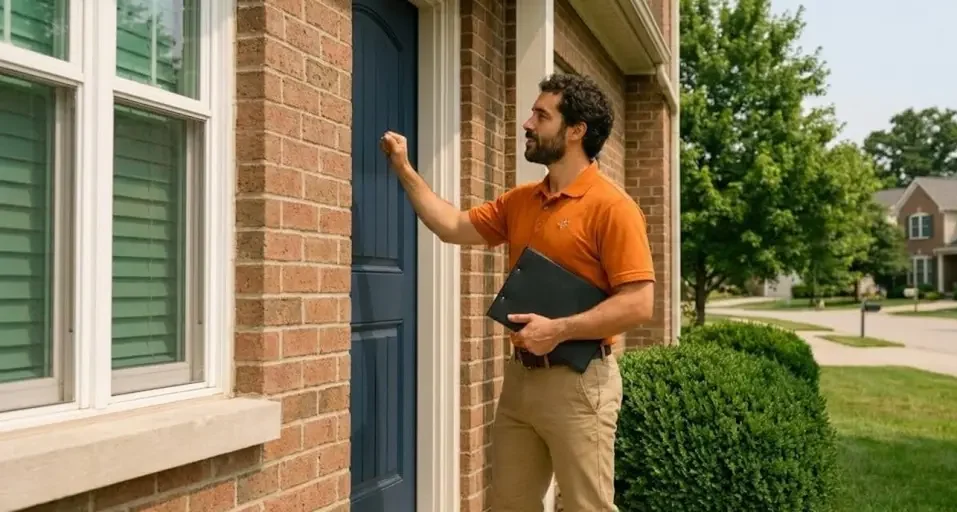
What is digital marketing
Digital marketing is basically the process of promoting products, services, or a business through digital channels such as websites, search engines, social media, email, and online advertising. Today, businesses use digital marketing to build brand awareness, attract customers, generate leads, increase sales, and maintain relationships with existing customers.
When people hear digital marketing, they often think that it is simply about posting on Facebook or running advertisements. In reality, there is much more behind it.
I personally see digital marketing as having a strong technical foundation. You don’t necessarily need to be a software developer or an advanced IT professional, but you need to understand how the main digital tools work.
For example, a digital marketer should have a basic understanding of how to build and manage a professional website, how search engines work, how to create online advertisements, how to use social media platforms, how email marketing works, and how to analyse marketing data.
One of the most important skills is understanding websites. A company’s website is often one of its most important digital assets. A marketer should understand basic website structure, domains, hosting, WordPress, landing pages, mobile responsiveness, website speed, calls-to-action (CTAs), and user experience.
The Technical Foundation of Digital Marketing
Then comes Search Engine Optimization (SEO). SEO helps businesses improve their visibility on search engines such as Google. This includes keyword research, on-page SEO, technical SEO, content optimization, backlinks, local SEO, and understanding search intent.
Another major area is digital advertising. This includes platforms such as Google Ads, Meta Ads, Facebook Ads, Instagram Ads, LinkedIn Ads, and other paid advertising platforms. A marketer needs to understand audiences, targeting, budgets, ad creatives, campaigns, clicks, impressions, cost per click (CPC), cost per lead (CPL), and return on ad spend (ROAS).
Social Media Marketing
Social media marketing is another major part of digital marketing. Businesses use platforms such as Facebook, Instagram, TikTok, LinkedIn, YouTube, and X to reach their target audience.
But social media marketing is not just about posting every day. You need to understand content strategy, social media management, audience engagement, video content, copywriting, hashtags, paid social advertising, analytics, and community building.
The goal is to create content that gets attention but also moves people toward a business objective—such as visiting a website, sending a message, signing up, or making a purchase.
Email Marketing
Email marketing is another important digital marketing skill. Businesses can use email to communicate with potential and existing customers, promote products, send newsletters, nurture leads, and encourage repeat purchases.
A good digital marketer should understand email campaigns, email lists, segmentation, personalization, automation, newsletters, open rates, click-through rates, and conversion rates. Email can also work together with social media and paid advertising to create a complete customer journey.
Content Marketing
Then we have content marketing. This involves creating useful content that attracts and educates a target audience.
Content can include blog posts, videos, social media posts, podcasts, guides, ebooks, infographics, and more. Good content can support SEO, social media marketing, lead generation, and brand awareness at the same time.
Marketing Analytics
Another skill that is becoming extremely important is marketing analytics.
You don’t just want to run a campaign—you want to know whether the campaign is actually working. Digital marketers use analytics to understand website traffic, engagement, leads, conversions, customer behaviour, advertising performance, and return on investment (ROI).
This is where tools such as Google Analytics, Google Search Console, Meta Business Suite, advertising dashboards, CRM systems, and marketing automation platforms become useful.
Lead Generation and Conversion
Digital marketing is ultimately connected to business results.
A company may have thousands of website visitors or social media followers, but if those people never become customers, the business still needs to improve its strategy.
That’s why marketers also need to understand lead generation, sales funnels, landing pages, conversion rate optimization (CRO), customer acquisition, remarketing, and customer retention.
The basic journey can look something like:
Content/Advertisement → Website or Landing Page → Lead → Follow-up → Conversion → Customer → Repeat Customer
Why Companies Need Digital Marketing Skills
This is why I believe companies are looking for people who can understand more than just one digital marketing tool.
A company may need someone who can manage social media, but it is even more useful when that person also understands websites, SEO, email marketing, online advertising, analytics, content creation, lead generation, and customer behaviour.
Modern marketing is becoming increasingly connected. A business might use a social media advertisement to bring someone to its website, collect their email address, send them an email campaign, retarget them with another advertisement, and finally convert them into a customer. Different digital channels work together as part of one marketing system.
Digital Marketing Is More Than Advertising
So, if someone asks me, “What is digital marketing?”, I would say:
Digital marketing is not simply putting an advertisement on the internet. It is understanding how different digital channels and technologies work together to attract the right audience, communicate value, generate leads, convert customers, and grow a business.
You don’t have to master everything on day one. Start with the fundamentals:
Website → SEO → Social Media → Content Marketing → Email Marketing → Paid Advertising → Analytics → Lead Generation → Conversion Optimization → Marketing Automation → AI Marketing
Once you understand how these areas connect, you start seeing digital marketing differently. You are no longer just someone who posts content or creates advertisements—you become someone who understands the digital customer journey and how technology can be used to grow a business.
Different types of Digital Marketing
As Digital marketing expands, many more types will come. every day Digital marketers use many ways to products their products.
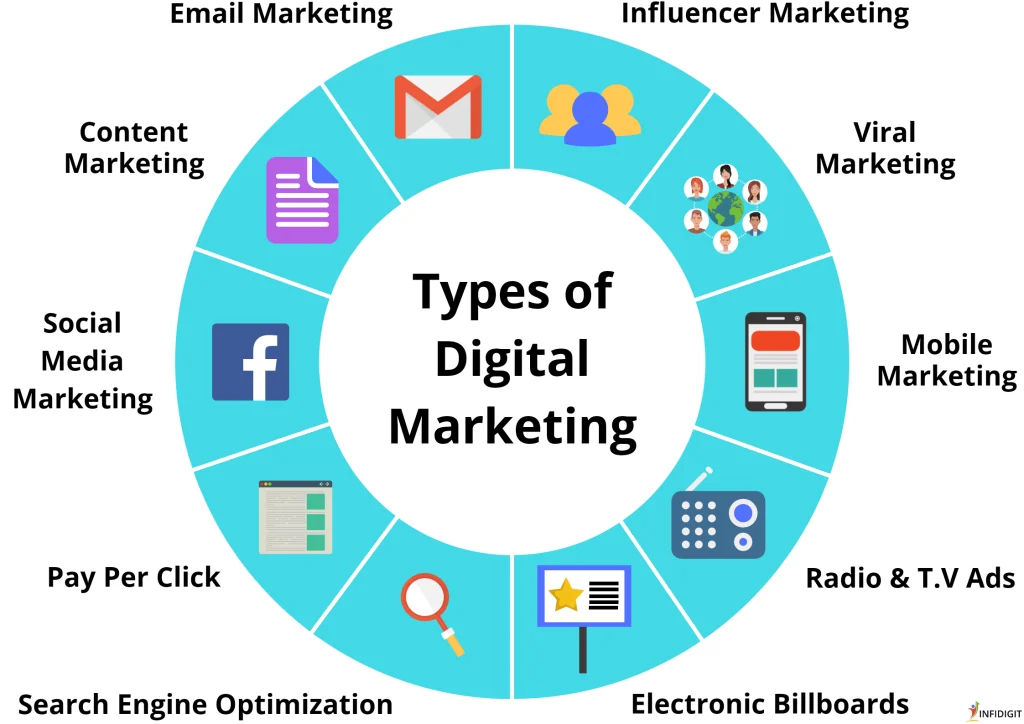
So, what is tie Digital marketing to Door-to-door marketing…
Door-to-Door Marketing
Door-to-Door Marketing: The Power of Face-to-Face Sales
If digital marketing is all about reaching people through the internet, door-to-door marketing, also known as face-to-face marketing or field marketing, takes a completely different approach. It is more direct, more personal, and, honestly, a little more hardcore.
Door-to-door marketing is a type of direct marketing and sales strategy where a salesperson physically visits potential customers at their homes, businesses, or other locations to introduce and promote a product or service.
Just like the name says, door-to-door means going directly to the customer’s doorstep and having a conversation with them.
Instead of waiting for customers to find your advertisement on Facebook, Google, TikTok, Instagram, or a website, you take the product or service directly to them.
What Is Door-to-Door Marketing?
Door-to-door marketing is a form of offline marketing, direct sales, field sales, and face-to-face customer acquisition.
A typical door-to-door sales representative may walk through a specific area, knock on doors, introduce themselves, explain a product or service, answer questions, handle objections, and try to convert the person into a customer.
For example, a salesperson might visit homes to sell:
- Fibre internet and Wi-Fi
- Security systems and CCTV
- Insurance
- Solar panels
- Telecommunications services
- Home improvement services
- Cleaning services
- Energy products
- Charity or fundraising services
- Subscriptions and memberships
- Other consumer products and services
The main objective is usually lead generation, customer acquisition, product awareness, appointments, or making a sale directly at the customer’s door.
Why Is Face-to-Face Marketing Still Important?
We live in a digital world. Companies use websites, social media, Google Ads, email marketing, SEO, content marketing, and other digital marketing strategies to reach customers.
But there is something that technology cannot completely replace: human connection.
Sometimes customers want to speak to a real person before they make a decision.
Imagine someone trying to choose a new fibre provider. They can see hundreds of advertisements online, but a salesperson standing at their door can explain the available packages, answer questions, check availability, explain the installation process, and help the customer make an informed decision.
That personal interaction can create a different type of customer experience.
This is one of the reasons why door-to-door sales and field marketing continue to be used by companies.
Door-to-Door Marketing Requires More Than Just Knocking on Doors
Some people think door-to-door sales is simply about walking around and asking people to buy something.
It is much more than that.
A successful door-to-door sales representative needs a combination of technical knowledge, communication skills, sales skills, confidence, discipline, and the ability to understand people.
You need to know your product.
You need to understand your customer.
You need to know how to communicate.
And most importantly, you need to be comfortable hearing “No.”
Rejection is part of the job.
Technology Still Plays a Role
Even though door-to-door marketing is considered an offline marketing strategy, technology is still extremely important.
A modern field sales representative may use:
- Google Maps
- GPS and navigation apps
- Mobile sales applications
- Customer databases
- Smartphones and tablets
- Digital forms
- Online payment systems
- Sales tracking software
- Customer relationship management tools
For example, a salesperson may use Google Maps to plan a sales territory, identify streets, locate houses, track completed areas, and organize their daily route.
This shows that traditional marketing and digital technology can work together.
Communication Is One of the Most Important Skills
You can have the best product in the world, but if you cannot communicate its value, making a sale becomes difficult.
Door-to-door sales requires strong verbal communication, active listening, customer service, persuasion, negotiation, and presentation skills.
You need to be able to explain a product in simple language.
You also need to listen carefully to what the customer is saying.
Sometimes the customer is not actually saying “No” to the product. They might be saying:
“I don’t understand it.”
“It’s too expensive.”
“I need to speak to my partner.”
“I already have a provider.”
“I don’t trust this company.”
“I am not interested.”
“I need more information.”
These are called sales objections.
A good salesperson does not immediately argue with the customer. Instead, they listen, understand the concern, respond professionally, and explain the value of the product.
The Importance of Body Language
Communication is not only about the words you use.
Your body language, facial expressions, eye contact, posture, tone of voice, and overall appearance can influence the conversation.
When approaching a customer, your body language should communicate confidence and professionalism without appearing aggressive.
A friendly introduction, a natural smile, good eye contact, and respectful distance can make the interaction more comfortable.
Remember, you are entering someone’s personal space. Your approach matters.
Rejection Is Part of Door-to-Door Marketing
One of the biggest challenges in door-to-door sales is rejection.
You might knock on 50 doors and speak to many people but only have a few serious conversations.
Some days you may make several sales.
Other days you may make none.
That is why having the right sales mindset and mental resilience is extremely important.
A salesperson cannot allow one rejection to affect the next customer.
Every door is a new opportunity.
Instead of thinking, “I failed today,” a salesperson can ask:
“What can I improve?”
“Did I listen properly?”
“Did I explain the benefits?”
“How did I handle the objection?”
This creates a continuous improvement mindset.
The Challenges of Door-to-Door Marketing
Door-to-door marketing can be rewarding, but it also comes with real challenges.
1. Security
Security is one of the biggest concerns for field sales teams.
Sales representatives are moving around different neighborhoods and interacting with people they do not know.
Companies therefore need proper field sales safety policies, identification, training, communication procedures, and emergency processes.
Salespeople should also understand their territory and follow company safety guidelines.
2. Transportation
Transportation can also be a major challenge.
A salesperson may need to travel between different suburbs or sales territories every day.
Companies need to think about transport costs, travel time, routes, fuel, public transportation, and territory management.
Good route planning can save time and allow sales representatives to spend more time actually speaking with customers.
3. Training
Door-to-door sales representatives need proper training.
Training should cover more than just the product.
A good door-to-door sales training program should include:
- Product knowledge
- Sales techniques
- Communication skills
- Opening techniques
- Pitching
- Active listening
- Objection handling
- Closing techniques
- Customer service
- Body language
- Territory planning
- Safety
- Technology
- CRM usage
- Professional behavior
A salesperson who understands the product but does not know how to communicate with customers may struggle.
4. Weather and Physical Conditions
Unlike online marketers, field sales representatives cannot simply sit behind a computer.
They may work in hot weather, cold weather, wind, or rain.
Walking long distances and standing for several hours can also be physically demanding.
This is why discipline, energy, preparation, and physical endurance can become important parts of field sales.
5. Customer Trust
Trust is another major challenge.
When someone knocks on your door unexpectedly, the first question may be:
“Who are you?”
The salesperson needs to quickly establish credibility.
Professional identification, company branding, clear communication, honesty, and product knowledge can help create trust.
Door-to-Door Marketing vs Digital Marketing
The two approaches are very different, but they can also complement each other.
Digital marketing uses online channels such as:
- Websites
- Search engines
- Social media
- Email marketing
- Online advertising
- SEO
- Content marketing
- Influencer marketing
- Video marketing
Door-to-door marketing uses:
- Face-to-face communication
- Direct sales
- Field sales representatives
- Personal demonstrations
- Local customer engagement
- Territory-based selling
- Physical interaction
One approach is not necessarily a replacement for the other.
A company can use digital marketing to create awareness and door-to-door sales to create personal engagement and generate customers.
For example, a customer might see an advertisement online and later speak to a salesperson in their neighborhood.
This creates an opportunity for online and offline marketing to work together.
What Makes a Good Door-to-Door Salesperson?
A successful door-to-door salesperson usually develops several important skills.
You need confidence, because you will be speaking to strangers.
You need communication skills, because you must explain your product clearly.
You need active listening, because customers will tell you what they need and what concerns them.
You need sales skills, because your job is ultimately connected to generating leads, appointments, or sales.
You need resilience, because rejection is unavoidable.
You need time management, because your working day is limited.
You need technology skills, because modern field sales increasingly depends on digital tools.
And you need discipline, because nobody can knock on the customer’s door for you.
The Future of Door-to-Door Marketing
Technology is changing the way field sales works, but that does not necessarily mean face-to-face marketing is disappearing.
Instead, traditional sales and technology are becoming more connected.
A modern sales representative can use CRM software, GPS, mobile applications, customer data, digital payments, online scheduling, WhatsApp, and analytics while still having a face-to-face conversation with the customer.
This creates a hybrid approach where technology supports human interaction.
The future of door-to-door marketing may therefore be less about simply knocking on random doors and more about using technology and data to make field sales more targeted, organized, and efficient.
Final Thoughts
Door-to-door marketing is definitely not the easiest form of marketing.
It requires confidence, communication, patience, resilience, product knowledge, sales ability, and the willingness to step outside your comfort zone.
But that is also what makes face-to-face marketing and field sales unique.
Behind every door is a real person with different needs, problems, questions, and expectations.
The salesperson’s job is not simply to knock, pitch, and leave.
It is to connect with people, understand their needs, communicate value, handle objections, build trust, generate leads, and ultimately help customers find a product or service that fits their needs.
In a world where so much marketing happens behind screens, there is still value in having a real conversation with a real person.